| Product dosage: 20g | |||
|---|---|---|---|
| Package (num) | Per tube | Price | Buy |
| 2 | $33.20 | $66.40 (0%) | 🛒 Add to cart |
| 3 | $29.17 | $99.59 $87.52 (12%) | 🛒 Add to cart |
| 4 | $26.16 | $132.79 $104.62 (21%) | 🛒 Add to cart |
| 5 | $23.14 | $165.99 $115.69 (30%) | 🛒 Add to cart |
| 6 | $20.12 | $199.19 $120.72 (39%) | 🛒 Add to cart |
| 7 | $18.68 | $232.39 $130.78 (44%) | 🛒 Add to cart |
| 8 | $17.73 | $265.59 $141.85 (47%) | 🛒 Add to cart |
| 9 | $16.65 | $298.78 $149.89 (50%) | 🛒 Add to cart |
| 10 | $15.29
Best per tube | $331.98 $152.91 (54%) | 🛒 Add to cart |
Synonyms | |||
Similar products
More info:
benzoyl
Benzoyl peroxide represents one of those foundational dermatologic agents that somehow manages to remain both ubiquitous and misunderstood. When I first started in dermatology residency, I’ll admit I viewed it as a sort of “starter” medication - something we’d prescribe before moving on to more sophisticated options. Over fifteen years and thousands of acne patients later, I’ve come to appreciate benzoyl peroxide’s remarkable efficacy and unique position in our therapeutic arsenal.
a ret gel
A topical retinoid gel containing 0.025% tretinoin in a stabilized hydrogel base, designed for gradual release and reduced irritation compared to traditional formulations. The formulation includes niacinamide 4% to enhance barrier function and hyaluronic acid 0.5% for sustained hydration throughout the treatment period. Key Components and Bioavailability of Ret Gel The ret gel formulation represents a significant advancement in topical retinoid delivery systems. The primary active ingredient, tretinoin at 0.025% concentration, is stabilized through microencapsulation technology that protects the molecule from oxidative degradation while allowing controlled release.
benzac
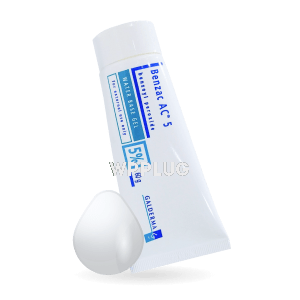
Benzoyl peroxide 5% gel, a topical antimicrobial and comedolytic agent, remains one of the most evidence-based first-line treatments for mild to moderate acne vulgaris. Having worked with this formulation for over fifteen years across various clinical settings, I’ve observed its consistent performance despite newer alternatives constantly entering the market. The fundamental chemistry hasn’t changed much since it was first introduced, but our understanding of its mechanisms and optimal application has evolved significantly.
differin
Adapalene, marketed under the brand name Differin, represents a significant advancement in topical retinoid therapy, specifically formulated as a 0.1% gel, cream, or lotion for the treatment of acne vulgaris. Originally available only by prescription, its FDA approval for over-the-counter use in 2016 democratized access to a potent acne treatment that modulates skin cell turnover and reduces inflammation. Unlike many cosmetic acne products that merely address surface symptoms, Differin targets the fundamental pathological processes of acne through receptor-selective retinoid activity.
neem
Neem (Azadirachta indica) is one of those botanical substances that sits at the fascinating intersection of traditional medicine and modern clinical science. Derived from the evergreen tree native to the Indian subcontinent, nearly every part of the neem plant—leaves, bark, seeds, and oil—has been utilized for centuries in Ayurvedic medicine for its purported therapeutic properties. In contemporary dietary supplement and topical product markets, neem is primarily available in the form of capsules, powders, oils, and creams, targeting a wide array of health concerns from dermatological conditions to metabolic support.
retin a 0025
Retin-A 0.025% represents a foundational strength of tretinoin, the gold-standard topical retinoid that has transformed dermatological practice since its FDA approval in 1971. This specific concentration—0.025% tretinoin in various cream, gel, or microsphere formulations—occupies a crucial therapeutic niche between milder over-the-counter retinoids and higher-prescription strengths, offering what many dermatologists consider the ideal balance between efficacy and tolerability for long-term maintenance therapy. Retin-A 0.025%: Effective Acne and Photoaging Treatment - Evidence-Based Review 1.
retin a 005
Let me walk you through what we’ve learned about Retin-A 0.05% over the years - this isn’t textbook knowledge but the kind of clinical wisdom you only get from thousands of patient encounters. I remember when we first started using tretinoin in our practice back in the late 90s, we were basically following protocol without really understanding the nuances between concentrations. The 0.05% formulation sits in that sweet spot between efficacy and tolerability that makes it such a workhorse in dermatology.
Retin-A Gel 0.1%: Comprehensive Acne Treatment and Skin Renewal - Evidence-Based Review
Product Description: Retin-A Gel 0.1% is a topical retinoid formulation containing tretinoin 0.1% in an alcohol-based gel vehicle. It’s classified as a prescription dermatological agent primarily indicated for acne vulgaris, though off-label use for photoaging and hyperpigmentation represents significant clinical applications. The gel formulation provides enhanced penetration for oily skin types while maintaining comedolytic and anti-inflammatory effects through retinoid receptor modulation. 1. Introduction: What is Retin-A Gel 0.1%? Its Role in Modern Dermatology When we talk about Retin-A Gel 0.
retino a cream 0025
Let me walk you through our experience with Retin-A Cream 0.025% - honestly, when we first started working with this formulation back in the dermatology clinic, I was skeptical about such a low concentration. Most residents were pushing for the stronger 0.05% or 0.1% formulations, but Dr. Chen, our senior dermatologist, kept insisting we give the 0.025% its due respect. ## 1. Introduction: What is Retin-A Cream 0.025%? Its Role in Modern Dermatology