| Product dosage: 250mg | |||
|---|---|---|---|
| Package (num) | Per pill | Price | Buy |
| 30 | $1.85 | $55.36 (0%) | 🛒 Add to cart |
| 60 | $1.46 | $110.71 $87.56 (21%) | 🛒 Add to cart |
| 90 | $1.33 | $166.07 $119.77 (28%) | 🛒 Add to cart |
| 120 | $1.26 | $221.43 $150.97 (32%) | 🛒 Add to cart |
| 180 | $1.19 | $332.14 $213.38 (36%) | 🛒 Add to cart |
| 270 | $1.14 | $498.21 $308.99 (38%) | 🛒 Add to cart |
| 360 | $1.12
Best per pill | $664.28 $404.61 (39%) | 🛒 Add to cart |
Synonyms
| |||
Similar products
More info:
Chloroquine: Antimalarial and Immunomodulatory Agent - Evidence-Based Review
Chloroquine is a 4-aminoquinoline compound that’s been kicking around medicine since the 1930s, originally developed as a synthetic antimalarial. It’s one of those old-school drugs that keeps finding new applications - we’re talking about a small molecule with the chemical formula C18H26ClN3 that interferes with heme polymerase in malarial parasites. But what’s fascinating is how it modulates immune responses through lysosomal inhibition and TLR signaling. I remember pulling our old pharmacology textbooks during the early pandemic days, watching this decades-old antimalarial suddenly become the most discussed drug in the world.
Hydroxychloroquine: Immunomodulatory Therapy for Autoimmune Conditions - Evidence-Based Review
Hydroxychloroquine is a disease-modifying antirheumatic drug (DMARD) derived from chloroquine, primarily used for autoimmune conditions like rheumatoid arthritis and lupus. Its immunomodulatory properties distinguish it from purely symptomatic treatments, though its mechanism remains partially understood despite decades of clinical use. 1. Introduction: What is Hydroxychloroquine? Its Role in Modern Medicine Hydroxychloroquine sulfate is a 4-aminoquinoline compound that has been used in clinical practice since the 1950s. Originally developed as an antimalarial agent, physicians quickly discovered its unexpected benefits for inflammatory autoimmune conditions.
azulfidine
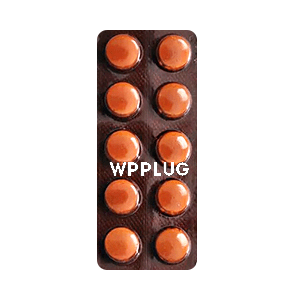
Azulfidine entered my practice during residency - this distinctive yellow-orange tablet that seemed to solve problems nothing else could touch. I remember my first inflammatory bowel disease patient who failed mesalamine preparations, a college student whose ulcerative colitis was threatening her academic career. When we switched her to sulfasalazine, the transformation wasn’t immediate but profound - within eight weeks, she went from 12 bloody stools daily to complete clinical remission.
imuran
Imuran, known generically as azathioprine, is an immunosuppressive medication that’s been a cornerstone in managing autoimmune conditions and preventing organ transplant rejection for decades. It’s not a dietary supplement but a potent prescription drug that requires careful monitoring. When I first encountered it during my fellowship, I was struck by how this prodrug—essentially inactive until metabolized—could create such profound clinical effects, both therapeutic and problematic. Imuran: Targeted Immunosuppression for Autoimmune and Transplant Medicine - Evidence-Based Review 1.
lariam
Lariam, known generically as mefloquine hydrochloride, remains one of the most controversial yet clinically important antimalarial drugs in modern travel medicine. Developed by Walter Reed Army Institute of Research in the 1970s and approved by the FDA in 1989, this synthetic 4-quinoline methanol compound has been both a frontline defense against chloroquine-resistant Plasmodium falciparum malaria and the subject of intense neuropsychiatric safety debates. What’s fascinating is how its risk-benefit profile has evolved through decades of real-world use—something you don’t fully appreciate until you’ve managed hundreds of travelers on this medication.
plaquenil
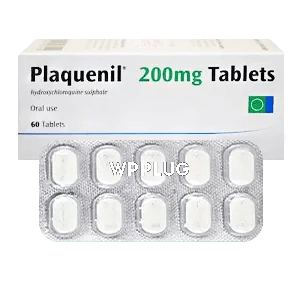
Plaquenil, the brand name for hydroxychloroquine sulfate, represents one of those foundational medications in rheumatology and dermatology that continues to surprise us decades after its introduction. It’s not just another DMARD - it’s a medication with a fascinating dual life in autoimmune conditions and infectious diseases. I remember my first year in rheumatology fellowship being completely confused about why we were using an antimalarial for lupus patients until my attending explained it’s like having a master key that fits multiple locks in the immune system.
Primaquine: Radical Cure and Transmission Blocking for Malaria - Evidence-Based Review
Primaquine phosphate is an 8-aminoquinoline antimalarial medication with a unique pharmacological profile that’s been both a cornerstone and a conundrum in tropical medicine since the 1940s. Unlike most antimalarials that target the blood stage of Plasmodium parasites, primaquine’s singular value lies in its ability to eliminate dormant hypnozoites of P. vivax and P. ovale from the liver—the only widely available drug that reliably achieves radical cure and prevents relapses. It also demonstrates activity against gametocytes of P.
a ret gel
A topical retinoid gel containing 0.025% tretinoin in a stabilized hydrogel base, designed for gradual release and reduced irritation compared to traditional formulations. The formulation includes niacinamide 4% to enhance barrier function and hyaluronic acid 0.5% for sustained hydration throughout the treatment period. Key Components and Bioavailability of Ret Gel The ret gel formulation represents a significant advancement in topical retinoid delivery systems. The primary active ingredient, tretinoin at 0.025% concentration, is stabilized through microencapsulation technology that protects the molecule from oxidative degradation while allowing controlled release.
Abana: Comprehensive Cardiovascular Support Through Multi-Targeted Action - Evidence-Based Review
Product Description Abana represents one of those formulations that initially puzzled me when I first encountered it in integrative cardiology practice. It’s not your standard single-herb supplement but rather a sophisticated polyherbal formulation with roots in Ayurvedic medicine, specifically developed for cardiovascular support. The product typically comes in tablet form and contains a carefully balanced combination of herbs including Terminalia arjuna, Withania somnifera, and Ocimum sanctum among others. What struck me early on was how this formulation approached cardiovascular health from multiple angles simultaneously - something we rarely see in conventional single-agent therapies.