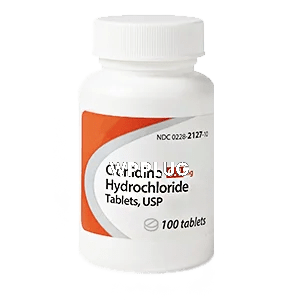
| Product dosage: 0.1mg | |||
|---|---|---|---|
| Package (num) | Per pill | Price | Buy |
| 10 | $4.02 | $40.24 (0%) | 🛒 Add to cart |
| 20 | $2.26 | $80.48 $45.27 (44%) | 🛒 Add to cart |
| 30 | $1.68 | $120.73 $50.30 (58%) | 🛒 Add to cart |
| 90 | $0.67 | $362.18 $60.36 (83%) | 🛒 Add to cart |
| 120 | $0.54 | $482.91 $65.39 (86%) | 🛒 Add to cart |
| 180 | $0.39 | $724.36 $70.42 (90%) | 🛒 Add to cart |
| 270 | $0.30 | $1086.54 $80.48 (93%) | 🛒 Add to cart |
| 360 | $0.27
Best per pill | $1448.72 $95.58 (93%) | 🛒 Add to cart |
Synonyms
| |||
More info:
Clonidine: Multimodal Therapeutic Agent for Hypertension and Beyond - Evidence-Based Review
Clonidine is a centrally acting alpha-2 adrenergic agonist that’s been in clinical use for decades, originally developed as a nasal decongestant before its potent antihypertensive properties were discovered. It’s fascinating how this medication has found applications far beyond blood pressure control - we’re now using it for ADHD, opioid withdrawal, menopausal hot flashes, and even perioperative settings. The versatility stems from its unique mechanism of action that modulates sympathetic outflow from the brainstem.
alphagan
Brimonidine tartrate ophthalmic solution 0.15% - that’s what we’re really talking about when we say Alphagan. It’s not some new-age supplement but a properly regulated prescription medication that’s been around since the 1990s. I remember when it first hit the market, we were all skeptical about another alpha-2 agonist after clonidine, but this one turned out different - specifically formulated for ocular use with minimal systemic effects when used properly.
Betapace: Rhythm Control for Atrial Fibrillation and Ventricular Arrhythmias - Evidence-Based Review
Product Description Before we dive into the formal structure, let me give you the real picture of Betapace. It’s not some new miracle supplement; it’s sotalol hydrochloride, a class III antiarrhythmic agent with some beta-blocking activity (Class II). We’ve been using it for decades, primarily for maintaining normal sinus rhythm in patients with highly symptomatic atrial fibrillation/flutter and for life-threatening ventricular arrhythmias. It’s one of those drugs you respect deeply because when it works, it’s brilliant, but its narrow therapeutic window keeps you on your toes.
Combipres: Effective Blood Pressure Control Through Dual Mechanism Action
Before we dive into the formal monograph, let me give you the real clinical picture of Combipres that you won’t find in package inserts. I’ve been working with this combination therapy since my residency in the late 90s, back when we were still figuring out optimal hypertension protocols. The number of times I’ve seen residents reach for the newest branded antihypertensive while Combipres sits forgotten in the formulary… it’s a shame really.
Inderal: Comprehensive Cardiovascular and Neurological Protection - Evidence-Based Review
Product Description: Inderal, known generically as propranolol hydrochloride, represents one of the foundational beta-blockers in cardiovascular and neurological therapeutics. As a non-selective beta-adrenergic antagonist, it competitively blocks catecholamine effects at both β1 and β2 receptors, leading to decreased heart rate, reduced myocardial contractility, and lowered blood pressure. Available in immediate-release (10mg, 20mg, 40mg, 80mg) and long-acting formulations (60mg, 80mg, 120mg, 160mg sustained-release capsules), it’s classified as a prescription medication rather than a dietary supplement or medical device.
Innopran XL: Extended-Release Beta-Blocker for Hypertension and Angina - Evidence-Based Review
Innopran XL is an extended-release formulation of propranolol hydrochloride, a non-selective beta-adrenergic blocking agent. It’s specifically engineered to provide 24-hour control of hypertension and angina with once-daily dosing, addressing the significant clinical challenge of medication adherence in chronic cardiovascular conditions. The XL formulation represents an important advancement over immediate-release propranolol, particularly for patients who require consistent beta-blockade throughout the circadian cycle. 1. Introduction: What is Innopran XL? Its Role in Modern Medicine Innopran XL contains propranolol hydrochloride in an extended-release formulation designed for once-daily administration.
Prazosin: Evidence-Based Nightmare Suppression for PTSD - Clinical Review
Prazosin is an alpha-1 adrenergic receptor antagonist originally developed as an antihypertensive agent, but it has found perhaps its most valuable application in managing trauma-related nightmares and sleep disturbances in patients with PTSD. It’s fascinating how an old cardiovascular drug discovered in the 1970s has been repurposed for psychiatric indications. The mechanism is quite elegant—by blocking norepinephrine’s action in the brain, it reduces the hyperarousal that fuels traumatic dreams without suppressing REM sleep like traditional sedatives do.
Tenormin: Effective Cardiovascular Protection Through Beta-Blockade - Evidence-Based Review
Atenolol, marketed under the brand name Tenormin among others, is a selective β₁ receptor antagonist medication primarily used for cardiovascular conditions. It belongs to the class of drugs known as beta blockers and works by blocking the effects of adrenaline on the heart, resulting in decreased heart rate and blood pressure. Unlike some earlier beta blockers, atenolol is cardioselective, meaning it primarily affects the heart with less impact on the airways, making it potentially safer for patients with respiratory concerns.
Tizanidine: Effective Muscle Spasticity Management - Evidence-Based Review
Tizanidine hydrochloride is a centrally acting alpha-2 adrenergic agonist primarily used as a skeletal muscle relaxant. This imidazoline derivative shares structural similarities with clonidine but possesses significantly greater myospasticity reduction properties with less potent antihypertensive effects. Available in both immediate-release (2mg, 4mg) and extended-release (2mg, 4mg, 6mg) formulations, tizanidine represents a cornerstone in spasticity management across multiple neurological conditions. The medication’s unique receptor binding profile enables targeted spasticity control while minimizing cardiovascular side effects compared to older muscle relaxants.