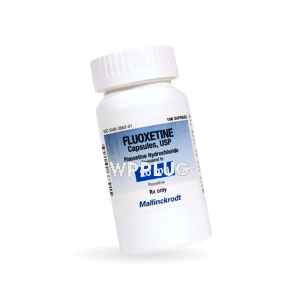

| Product dosage: 10mg | |||
|---|---|---|---|
| Package (num) | Per cap | Price | Buy |
| 180 | $0.35 | $62.38 (0%) | 🛒 Add to cart |
| 360 | $0.31
Best per cap | $124.75 $111.67 (10%) | 🛒 Add to cart |
| Product dosage: 20mg | |||
|---|---|---|---|
| Package (num) | Per cap | Price | Buy |
| 60 | $0.67 | $40.24 (0%) | 🛒 Add to cart |
| 90 | $0.60 | $60.36 $54.33 (10%) | 🛒 Add to cart |
| 120 | $0.56 | $80.48 $67.41 (16%) | 🛒 Add to cart |
| 180 | $0.53 | $120.73 $95.58 (21%) | 🛒 Add to cart |
| 270 | $0.51 | $181.09 $137.83 (24%) | 🛒 Add to cart |
| 360 | $0.50
Best per cap | $241.45 $180.08 (25%) | 🛒 Add to cart |
Synonyms
| |||
Similar products
More info:
Fluoxetine: Effective Mood Regulation for Depression - Evidence-Based Review
Fluoxetine is a selective serotonin reuptake inhibitor (SSRI) antidepressant medication, not a dietary supplement or medical device. It’s prescribed primarily for major depressive disorder, obsessive-compulsive disorder, panic disorder, and bulimia nervosa. As a pharmaceutical compound with significant pharmacological effects, fluoxetine requires proper medical supervision and cannot be obtained over-the-counter like typical supplements. 1. Introduction: What is Fluoxetine? Its Role in Modern Medicine Fluoxetine hydrochloride represents one of the most significant advances in psychopharmacology since its FDA approval in 1987.
abilify
Aripiprazole, marketed under the brand name Abilify, represents a significant advancement in the atypical antipsychotic class with its unique pharmacodynamic profile. Unlike earlier antipsychotics that primarily functioned as dopamine antagonists, aripiprazole’s mechanism as a partial dopamine agonist created what we initially called a “dopamine stabilizer” - though that term has fallen out of favor in academic circles now. The drug’s development stemmed from Otsuka Pharmaceutical’s research into creating an agent that could modulate dopamine transmission without completely blocking it, addressing both positive and negative symptoms while minimizing extrapyramidal side effects.
amitriptyline
Amitriptyline is a tricyclic antidepressant (TCA) with a complex pharmacological profile that extends far beyond its original psychiatric indications. In clinical practice, we’ve found its most valuable applications often lie in chronic pain management and neurological conditions, particularly when first-line treatments fail. The drug’s multi-mechanism approach—simultaneously modulating serotonin, norepinephrine, sodium channels, and histamine receptors—creates a therapeutic profile that modern selective agents often can’t match, despite their cleaner side effect profiles.
Anafranil: Potent Serotonin Reuptake Inhibition for OCD and Beyond - Evidence-Based Review
Anafranil, known generically as clomipramine hydrochloride, is a tricyclic antidepressant (TCA) belonging to the dibenzazepine class. It’s primarily indicated for the treatment of obsessive-compulsive disorder (OCD), functioning as a potent serotonin reuptake inhibitor. While many newer agents exist, its robust efficacy profile, particularly in treatment-resistant cases, maintains its relevance in contemporary psychopharmacology. It’s available in oral formulations, typically as 10mg, 25mg, and 50mg capsules or tablets, and requires careful titration and monitoring due to its side effect profile and potential for interactions.
bupropion
Bupropion is an atypical antidepressant belonging to the norepinephrine-dopamine reuptake inhibitor (NDRI) class, distinct from the more common SSRIs. Initially approved for depression in 1985, it’s become a cornerstone treatment for major depressive disorder and smoking cessation, with off-label uses expanding significantly. What makes bupropion particularly valuable is its unique pharmacological profile—it doesn’t typically cause sexual dysfunction or weight gain, side effects that often complicate treatment with other antidepressants. In my practice, I’ve seen it literally give patients their lives back when other medications failed, especially those who couldn’t tolerate SSRI side effects.
Bystolic: Selective Blood Pressure Control with Vasodilatory Benefits - Evidence-Based Review
Bystolic represents one of those interesting beta-blockers that never quite got the mainstream attention it deserved, which is a shame because in my cardiology practice, I’ve found it to be particularly useful for patients who can’t tolerate other antihypertensives. The drug’s proper name is nebivolol, and it’s classified as a third-generation beta-adrenergic blocker with some unique vasodilatory properties that set it apart from the older agents like metoprolol or atenolol.
celexa
Celexa, known generically as citalopram hydrobromide, is a selective serotonin reuptake inhibitor (SSRI) antidepressant medication prescribed for the management of major depressive disorder (MDD) and other related conditions. It functions by increasing serotonin levels in the brain, which helps improve mood, sleep, appetite, and energy levels. This monograph provides a detailed, evidence-based overview of Celexa, covering its composition, mechanism, clinical applications, and practical considerations for use. Celexa: Effective Symptom Management for Major Depressive Disorder - Evidence-Based Review 1.
Cenforce D: Dual-Action Therapy for Erectile Dysfunction and Premature Ejaculation - Evidence-Based Review
Let me walk you through my experience with Cenforce D, which has become one of our more reliable options for a specific patient profile. I first encountered this medication about three years back when a 52-year-old male patient - let’s call him Mark - presented with both erectile dysfunction and premature ejaculation concerns. He’d tried sildenafil alone with limited success, complaining the effects weren’t lasting long enough to address both issues effectively.
coreg
Coreg, known generically as carvedilol, is a non-selective beta-blocker with additional alpha-1 blocking activity, primarily used in the management of chronic heart failure, left ventricular dysfunction following myocardial infarction, and hypertension. It’s available in immediate-release and extended-release formulations, with the latter (Coreg CR) designed for once-daily dosing to improve adherence. The drug’s unique dual mechanism provides comprehensive adrenergic blockade, which translates into hemodynamic benefits and improved clinical outcomes. Unlike traditional beta-blockers, Coreg reduces peripheral vascular resistance without significantly impacting heart rate or cardiac output in the compensated patient, making it particularly valuable in heart failure management where balanced afterload reduction is crucial.