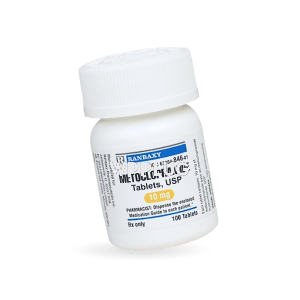
Metoclopramide is a dopamine receptor antagonist and serotonin receptor agonist primarily used as an antiemetic and gastrointestinal prokinetic agent. First synthesized in the 1960s, this medication has become a cornerstone in managing nausea, vomiting, and gastroparesis across clinical settings from emergency departments to oncology infusion centers. 1. Introduction: What is Metoclopramide? Its Role in Modern Medicine What is metoclopramide used for? This medication occupies a unique therapeutic niche as both an antiemetic and prokinetic agent, making it particularly valuable for conditions where delayed gastric emptying contributes to nausea and vomiting.
Compazine, known generically as prochlorperazine, is a phenothiazine derivative primarily used as an antiemetic and antipsychotic agent. It’s been a workhorse in clinical practice for decades, particularly for managing severe nausea and vomiting, though its antipsychotic applications remain relevant in specific contexts. What’s fascinating is how this old drug continues to find niches where newer agents sometimes fall short. Compazine: Effective Relief for Severe Nausea and Vomiting - Evidence-Based Review 1.
Erythromycin represents one of the foundational macrolide antibiotics discovered back in 1952 from Saccharomyces erythraea. It’s fascinating how this natural compound continues to serve as both first-line treatment and backup option across multiple infectious disease scenarios, especially given the rising antimicrobial resistance patterns we’re seeing globally. The drug’s unique large lactone ring structure gives it distinct pharmacokinetic advantages that still make it relevant in modern therapeutic protocols. 1. Introduction: What is Erythromycin?
Fosfomycin is a bactericidal antibiotic with a unique chemical structure, originally isolated from Streptomyces species. It’s classified as an epoxide antibiotic and represents one of the few antibiotics that inhibit bacterial cell wall synthesis at an early stage, specifically targeting the enzyme MurA (UDP-N-acetylglucosamine enolpyruvyl transferase). What’s fascinating about fosfomycin is its broad-spectrum activity against both Gram-positive and Gram-negative bacteria, including many multidrug-resistant strains that have become increasingly problematic in clinical practice.
Erythromycin estolate, marketed under the brand name Ilosone, represents a significant advancement in macrolide antibiotic therapy. First introduced in the 1950s, this prodrug formulation of erythromycin was specifically engineered to overcome the limitations of poor oral bioavailability and gastric acid instability that plagued early erythromycin compounds. The estolate salt form demonstrates superior absorption characteristics compared to other erythromycin salts, making it a valuable tool in treating susceptible bacterial infections across multiple body systems.
Domperidone, marketed under the brand name Motilium among others, represents one of those fascinating pharmacological tools that sits right at the intersection of gastroenterology and neuropharmacology. It’s a dopamine receptor antagonist, specifically blocking the D2 and D3 receptors, which gives it its prokinetic properties. Unlike some of the older antiemetics, its primary action is peripheral, which significantly alters its side effect profile. We initially saw it as just another anti-nausea agent, but over the years, its utility in managing gastroparesis and functional dyspepsia has really cemented its place in our therapeutic arsenal.
Phenergan, known generically as promethazine, is a first-generation antihistamine of the phenothiazine class that’s been in clinical use since the 1940s. It’s primarily used for allergy symptoms, nausea/vomiting, and as a sedative, though its applications have evolved considerably. What’s fascinating is how this old drug keeps finding new relevance despite newer agents appearing - there’s something about its particular receptor affinity profile that makes it uniquely useful in specific clinical scenarios, particularly when other medications fail.
Promethazine hydrochloride is a phenothiazine derivative with potent antihistaminic, antiemetic, and sedative properties, first synthesized in the 1940s and still widely used in clinical practice today. It’s available in various formulations including tablets, syrups, suppositories, and injectable solutions, though the latter requires medical supervision. What’s interesting is how this old drug keeps finding new applications despite all the newer agents available - we still reach for it regularly in emergency departments and inpatient settings.
Reglan, known generically as metoclopramide, is a dopamine antagonist medication primarily used to treat gastrointestinal conditions like gastroparesis and severe reflux. It’s not a dietary supplement but a prescription drug with significant clinical applications and notable side effect profiles. I remember when I first started using Reglan in my gastroenterology practice back in 2010 - we had this patient, Sarah, a 42-year-old teacher with diabetic gastroparesis who’d been vomiting undigested food from meals eaten 8 hours prior.