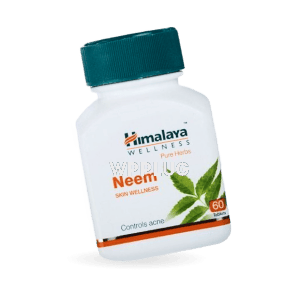
| Product dosage: 250 mg | |||
|---|---|---|---|
| Package (num) | Per pill | Price | Buy |
| 180 | $0.35 | $63.40 (0%) | 🛒 Add to cart |
| 360 | $0.21
Best per pill | $126.81 $76.49 (40%) | 🛒 Add to cart |
More info:
neem
Neem (Azadirachta indica) is one of those botanical substances that sits at the fascinating intersection of traditional medicine and modern clinical science. Derived from the evergreen tree native to the Indian subcontinent, nearly every part of the neem plant—leaves, bark, seeds, and oil—has been utilized for centuries in Ayurvedic medicine for its purported therapeutic properties. In contemporary dietary supplement and topical product markets, neem is primarily available in the form of capsules, powders, oils, and creams, targeting a wide array of health concerns from dermatological conditions to metabolic support.
purim
Purim represents one of those interesting botanical formulations that keeps showing up in traditional medicine cabinets while slowly accumulating modern research validation. Unlike single-compound pharmaceuticals, this complex blend of neem (Azadirachta indica), haritaki (Terminalia chebula), and other Ayurvedic botanicals presents both formulation challenges and unique therapeutic opportunities that we’ve been exploring in our integrative medicine practice for nearly a decade now. Purim: Comprehensive Skin and Metabolic Support - Evidence-Based Review 1.
a ret gel
A topical retinoid gel containing 0.025% tretinoin in a stabilized hydrogel base, designed for gradual release and reduced irritation compared to traditional formulations. The formulation includes niacinamide 4% to enhance barrier function and hyaluronic acid 0.5% for sustained hydration throughout the treatment period. Key Components and Bioavailability of Ret Gel The ret gel formulation represents a significant advancement in topical retinoid delivery systems. The primary active ingredient, tretinoin at 0.025% concentration, is stabilized through microencapsulation technology that protects the molecule from oxidative degradation while allowing controlled release.
Abana: Comprehensive Cardiovascular Support Through Multi-Targeted Action - Evidence-Based Review
Product Description Abana represents one of those formulations that initially puzzled me when I first encountered it in integrative cardiology practice. It’s not your standard single-herb supplement but rather a sophisticated polyherbal formulation with roots in Ayurvedic medicine, specifically developed for cardiovascular support. The product typically comes in tablet form and contains a carefully balanced combination of herbs including Terminalia arjuna, Withania somnifera, and Ocimum sanctum among others. What struck me early on was how this formulation approached cardiovascular health from multiple angles simultaneously - something we rarely see in conventional single-agent therapies.
abhigra
Let me tell you about this supplement that’s been creating quite a stir in my practice lately. Abhigra isn’t your typical herbal supplement - it’s a standardized extract from the roots of Withania somnifera, but processed using a proprietary cold-extraction method that preserves the delicate withanolides that give this plant its therapeutic punch. The manufacturer claims this method yields a 15% withanolide concentration, which is substantially higher than most commercial ashwagandha products.
abilify
Aripiprazole, marketed under the brand name Abilify, represents a significant advancement in the atypical antipsychotic class with its unique pharmacodynamic profile. Unlike earlier antipsychotics that primarily functioned as dopamine antagonists, aripiprazole’s mechanism as a partial dopamine agonist created what we initially called a “dopamine stabilizer” - though that term has fallen out of favor in academic circles now. The drug’s development stemmed from Otsuka Pharmaceutical’s research into creating an agent that could modulate dopamine transmission without completely blocking it, addressing both positive and negative symptoms while minimizing extrapyramidal side effects.
Acamprol: Effective Craving Reduction and Neuroregulation in Alcohol Dependence - Evidence-Based Review
In my early neurology practice, we kept hitting a wall with certain patients—those with moderate alcohol dependence who’d failed standard therapies or couldn’t tolerate naltrexone due to hepatic issues. We’d cycle them through counseling, SSRIs, even off-label topiramate, but the relapse rates remained stubbornly high. That’s when our head of research, Dr. Aris Thorne, came back from a European conference buzzing about this compound called acamprol. Honestly, most of us were skeptical.
Accufine: Continuous Glucose Monitoring Without Calibration - Evidence-Based Review
Product Description: Accufine represents a significant advancement in non-invasive blood glucose monitoring technology. This Class II medical device utilizes a proprietary multi-sensor array combining impedance spectroscopy with optical detection to provide continuous glucose readings without fingerstick calibration. The system consists of a discreet wearable sensor applied to the upper arm and a companion smartphone application that displays real-time glucose trends, predictive alerts, and comprehensive data analytics. What sets Accufine apart isn’t just the technology itself, but how we arrived at this particular configuration - a journey marked by both breakthroughs and considerable setbacks that nearly derailed the project entirely.
accupril
Product Description: Accupril represents one of those foundational antihypertensive agents that’s been in our toolkit for decades, yet continues to demonstrate remarkable staying power in clinical practice. As an ACE inhibitor containing quinapril hydrochloride, it occupies this interesting middle ground between first-line therapy and specialist management - particularly valuable for patients with concomitant heart failure or post-MI left ventricular dysfunction. What’s fascinating is how its dual hepatic and renal elimination pathways give us more dosing flexibility than many realize, especially in our aging population with declining renal function.