| Product dosage: 20mg | |||
|---|---|---|---|
| Package (num) | Per pill | Price | Buy |
| 30 | $1.48 | $44.27 (0%) | 🛒 Add to cart |
| 60 | $1.16 | $88.53 $69.42 (22%) | 🛒 Add to cart |
| 90 | $1.06 | $132.80 $95.58 (28%) | 🛒 Add to cart |
| 120 | $1.01 | $177.07 $120.73 (32%) | 🛒 Add to cart |
| 180 | $0.94 | $265.60 $170.03 (36%) | 🛒 Add to cart |
| 270 | $0.92 | $398.40 $247.49 (38%) | 🛒 Add to cart |
| 360 | $0.90
Best per pill | $531.20 $322.95 (39%) | 🛒 Add to cart |
Synonyms
| |||
Similar products
More info:
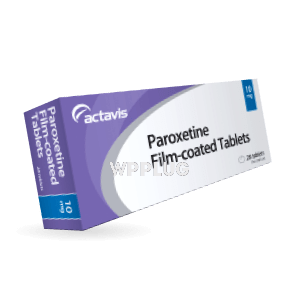
paroxetine
Paroxetine hydrochloride is a selective serotonin reuptake inhibitor (SSRI) antidepressant medication prescribed primarily for major depressive disorder, various anxiety disorders, and other psychiatric conditions. As one of the most widely studied antidepressants globally, it occupies a significant position in psychopharmacology due to its potent serotonin reuptake inhibition and established efficacy across multiple indications. Paroxetine: Effective Symptom Management for Depression and Anxiety Disorders - Evidence-Based Review 1. Introduction: What is Paroxetine? Its Role in Modern Medicine Paroxetine, marketed under brand names including Paxil and others, belongs to the selective serotonin reuptake inhibitor class of antidepressants.
abilify
Aripiprazole, marketed under the brand name Abilify, represents a significant advancement in the atypical antipsychotic class with its unique pharmacodynamic profile. Unlike earlier antipsychotics that primarily functioned as dopamine antagonists, aripiprazole’s mechanism as a partial dopamine agonist created what we initially called a “dopamine stabilizer” - though that term has fallen out of favor in academic circles now. The drug’s development stemmed from Otsuka Pharmaceutical’s research into creating an agent that could modulate dopamine transmission without completely blocking it, addressing both positive and negative symptoms while minimizing extrapyramidal side effects.
Anafranil: Potent Serotonin Reuptake Inhibition for OCD and Beyond - Evidence-Based Review
Anafranil, known generically as clomipramine hydrochloride, is a tricyclic antidepressant (TCA) belonging to the dibenzazepine class. It’s primarily indicated for the treatment of obsessive-compulsive disorder (OCD), functioning as a potent serotonin reuptake inhibitor. While many newer agents exist, its robust efficacy profile, particularly in treatment-resistant cases, maintains its relevance in contemporary psychopharmacology. It’s available in oral formulations, typically as 10mg, 25mg, and 50mg capsules or tablets, and requires careful titration and monitoring due to its side effect profile and potential for interactions.
bupropion
Bupropion is an atypical antidepressant belonging to the norepinephrine-dopamine reuptake inhibitor (NDRI) class, distinct from the more common SSRIs. Initially approved for depression in 1985, it’s become a cornerstone treatment for major depressive disorder and smoking cessation, with off-label uses expanding significantly. What makes bupropion particularly valuable is its unique pharmacological profile—it doesn’t typically cause sexual dysfunction or weight gain, side effects that often complicate treatment with other antidepressants. In my practice, I’ve seen it literally give patients their lives back when other medications failed, especially those who couldn’t tolerate SSRI side effects.
Bystolic: Selective Blood Pressure Control with Vasodilatory Benefits - Evidence-Based Review
Bystolic represents one of those interesting beta-blockers that never quite got the mainstream attention it deserved, which is a shame because in my cardiology practice, I’ve found it to be particularly useful for patients who can’t tolerate other antihypertensives. The drug’s proper name is nebivolol, and it’s classified as a third-generation beta-adrenergic blocker with some unique vasodilatory properties that set it apart from the older agents like metoprolol or atenolol.
dapoxetine
Dapoxetine, a selective serotonin reuptake inhibitor structurally related to fluoxetine, represents one of the few pharmaceutical interventions specifically developed and approved for premature ejaculation (PE). Unlike conventional antidepressants requiring chronic dosing, dapoxetine’s rapid absorption and short half-life make it uniquely suited for on-demand administration about 1-3 hours before anticipated sexual activity. The development pathway was fascinating - initially investigated as a conventional antidepressant, researchers noticed the serendipitous ejaculation-delaying effects during early trials, prompting a complete strategic pivot toward sexual medicine applications.
desyrel
Trazodone hydrochloride, marketed under the brand name Desyrel among others, represents a chemically unique psychotropic agent belonging to the class of serotonin antagonist and reuptake inhibitors (SARIs). Initially developed in the 1960s by Angelini Research Laboratories, it received FDA approval in the United States in 1981. Its primary indication was for the treatment of major depressive disorder (MDD), but its clinical utility has significantly expanded over decades of use. Unlike many first-generation tricyclic antidepressants, trazodone offered a more favorable side effect profile, particularly regarding cardiac toxicity and anticholinergic effects, which made it a valuable alternative.
Dramamine: Effective Motion Sickness Prevention and Treatment - Evidence-Based Review
Dimenhydrinate, commonly known by its brand name Dramamine, is an over-the-counter medication belonging to the ethanolamine class of antihistamines. It’s primarily used for the prevention and treatment of nausea, vomiting, and dizziness associated with motion sickness. The product exists in both standard and less-drowsy formulations, with the active ingredient working centrally on the vestibular system and vomiting center in the brain. What’s fascinating is how this 70-year-old medication remains a staple in travel kits despite newer alternatives - there’s something about its predictable action that both clinicians and patients appreciate.
endep
Amitriptyline, marketed under the brand name Endep among others, is a tricyclic antidepressant (TCA) with a complex pharmacological profile that extends far beyond its original psychiatric indications. First synthesized in the 1960s, it has become a cornerstone in managing chronic neuropathic pain, migraine prophylaxis, and various off-label conditions due to its potent norepinephrine reuptake inhibition. Unlike newer antidepressants, its multifaceted mechanism provides unique benefits for certain treatment-resistant cases, though its side effect profile demands careful clinical consideration.