
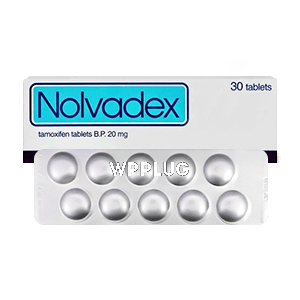
| Product dosage: 20mg | |||
|---|---|---|---|
| Package (num) | Per pill | Price | Buy |
| 60 | $0.72 | $43.26 (0%) | 🛒 Add to cart |
| 90 | $0.67 | $64.89 $60.36 (7%) | 🛒 Add to cart |
| 120 | $0.64 | $86.52 $76.46 (12%) | 🛒 Add to cart |
| 180 | $0.61 | $129.78 $109.66 (16%) | 🛒 Add to cart |
| 270 | $0.59 | $194.67 $159.96 (18%) | 🛒 Add to cart |
| 360 | $0.58
Best per pill | $259.56 $210.27 (19%) | 🛒 Add to cart |
Synonyms
| |||
Similar products
More info:
tamoxifen
Tamoxifen citrate represents one of the most significant advances in oncology pharmacology over the past half-century. As a selective estrogen receptor modulator (SERM), this medication has fundamentally transformed the management of hormone receptor-positive breast cancer since its introduction in the 1970s. What began as a failed fertility drug has become the cornerstone of endocrine therapy for millions of women worldwide, with over four decades of clinical experience supporting its use. The journey from laboratory discovery to standard of care illustrates both the serendipity and systematic rigor that characterize meaningful therapeutic advances.
arimidex
Anastrozole, marketed under the brand name Arimidex, represents a significant advancement in endocrine therapy for hormone receptor-positive breast cancer. As a selective, non-steroidal aromatase inhibitor, it works by blocking the conversion of androgens to estrogens in peripheral tissues - the primary source of estrogen in postmenopausal women. This mechanism has revolutionized the treatment landscape for hormone-sensitive breast malignancies, offering improved outcomes with a generally favorable side effect profile compared to earlier therapeutic options.
aromasin
Aromasin, known generically as exemestane, is an oral steroidal aromatase inactivator used primarily in postmenopausal women with hormone receptor-positive early and advanced breast cancer. Unlike earlier anti-estrogen therapies that merely blocked estrogen receptors, Aromasin works upstream by permanently deactivating the aromatase enzyme responsible for converting androgens into estrogen throughout the body. This represents a significant advancement in endocrine therapy, particularly for women who have developed resistance to tamoxifen or other selective estrogen receptor modulators.
bupropion
Bupropion is an atypical antidepressant belonging to the norepinephrine-dopamine reuptake inhibitor (NDRI) class, distinct from the more common SSRIs. Initially approved for depression in 1985, it’s become a cornerstone treatment for major depressive disorder and smoking cessation, with off-label uses expanding significantly. What makes bupropion particularly valuable is its unique pharmacological profile—it doesn’t typically cause sexual dysfunction or weight gain, side effects that often complicate treatment with other antidepressants. In my practice, I’ve seen it literally give patients their lives back when other medications failed, especially those who couldn’t tolerate SSRI side effects.
Cialis Soft: Rapid-Acting ED Treatment with Flexible Dosing - Evidence-Based Review
Before we get to the formal monograph, let me give you the real picture on Cialis Soft. It’s not just another ED pill – it’s a formulation that changed how we approach timing and spontaneity in erectile dysfunction treatment. I remember when these chewable tablets first hit our clinic, we were skeptical. The standard Tadalafil worked fine, but patients kept complaining about the “planning” aspect – waiting for that 30-60 minute window, coordinating with partners, the whole performance anxiety cycle.
estrace
Estrace represents one of those foundational hormone therapies that somehow manages to be both incredibly straightforward in its formulation and remarkably complex in its clinical applications. When we first started working with conjugated estrogens back in the early 2000s, the medical community was still grappling with the fallout from the WHI study, and prescribing estrogen felt like navigating a minefield. I remember our department head, Dr. Chen, being adamant about reserving Estrace only for the most severe vasomotor symptoms, while our endocrinology fellow, Maria, kept pushing for broader applications in osteoporosis prevention.
estriol
Estriol, chemically known as E3, is the weakest of the three primary endogenous estrogens in humans, alongside estrone (E1) and estradiol (E2). It’s produced in significant quantities during pregnancy by the placenta but is present at much lower levels in non-pregnant women and men. Unlike its more potent counterparts, estriol binds very weakly to estrogen receptors, which historically led to its dismissal as a “weak estrogen” with little therapeutic value. However, this very characteristic—its mild estrogenic activity—has become the cornerstone of its modern therapeutic application, particularly in hormone replacement therapy (HRT) where the goal is often to provide estrogenic benefits while minimizing risks associated with stronger estrogens.
evista
Evista, known generically as raloxifene hydrochloride, represents a significant class of therapeutic agents in women’s health. It’s a selective estrogen receptor modulator (SERM) that I’ve prescribed for years, primarily for managing postmenopausal osteoporosis and reducing the risk of invasive breast cancer in high-risk patients. Unlike traditional hormone replacement therapy, it offers tissue-selective effects—acting as an estrogen agonist on bone and lipid metabolism while acting as an antagonist on breast and uterine tissue.
Femara: Targeted Hormone Therapy for Breast Cancer and Infertility - Evidence-Based Review
Letrozole, marketed under the brand name Femara among others, is an oral non-steroidal aromatase inhibitor used primarily in the treatment of hormone receptor-positive breast cancer in postmenopausal women. It works by inhibiting the aromatase enzyme, which is responsible for the conversion of androgens to estrogens in peripheral tissues. This significant reduction in circulating estrogen levels deprives estrogen-dependent breast cancer cells of the hormonal stimulation required for proliferation. Beyond its established role in oncology, letrozole has found important applications in reproductive medicine, particularly for ovulation induction in women with anovulatory infertility, such as those with polycystic ovary syndrome (PCOS).