stromectol

| Product dosage: 12mg | |||
|---|---|---|---|
| Package (num) | Per pill | Price | Buy |
| 10 | $7.05 | $70.46 (0%) | 🛒 Add to cart |
| 20 | $6.04 | $140.91 $120.78 (14%) | 🛒 Add to cart |
| 30 | $5.70 | $211.37 $171.11 (19%) | 🛒 Add to cart |
| 60 | $5.37 | $422.73 $322.08 (24%) | 🛒 Add to cart |
| 90 | $5.26 | $634.10 $473.06 (25%) | 🛒 Add to cart |
| 120 | $5.20 | $845.46 $624.03 (26%) | 🛒 Add to cart |
| 180 | $4.92 | $1268.19 $885.72 (30%) | 🛒 Add to cart |
| 270 | $3.54 | $1902.29 $956.18 (50%) | 🛒 Add to cart |
| 360 | $2.80
Best per pill | $2536.38 $1006.50 (60%) | 🛒 Add to cart |
| Product dosage: 3mg | |||
|---|---|---|---|
| Package (num) | Per pill | Price | Buy |
| 10 | $5.03 | $50.33 (0%) | 🛒 Add to cart |
| 20 | $4.03 | $100.65 $80.52 (20%) | 🛒 Add to cart |
| 30 | $3.69 | $150.98 $110.72 (27%) | 🛒 Add to cart |
| 60 | $3.36 | $301.95 $201.30 (33%) | 🛒 Add to cart |
| 90 | $3.13 | $452.93 $281.82 (38%) | 🛒 Add to cart |
| 120 | $2.94 | $603.90 $352.28 (42%) | 🛒 Add to cart |
| 180 | $2.80 | $905.85 $503.25 (44%) | 🛒 Add to cart |
| 270 | $2.65 | $1358.78 $714.62 (47%) | 🛒 Add to cart |
| 360 | $2.38
Best per pill | $1811.70 $855.53 (53%) | 🛒 Add to cart |
| Product dosage: 6mg | |||
|---|---|---|---|
| Package (num) | Per pill | Price | Buy |
| 10 | $6.04 | $60.39 (0%) | 🛒 Add to cart |
| 20 | $5.03 | $120.78 $100.65 (17%) | 🛒 Add to cart |
| 30 | $4.36 | $181.17 $130.85 (28%) | 🛒 Add to cart |
| 60 | $4.03 | $362.34 $241.56 (33%) | 🛒 Add to cart |
| 90 | $3.80 | $543.51 $342.21 (37%) | 🛒 Add to cart |
| 120 | $3.52 | $724.68 $422.73 (42%) | 🛒 Add to cart |
| 180 | $3.36 | $1087.02 $603.90 (44%) | 🛒 Add to cart |
| 270 | $3.13 | $1630.53 $845.46 (48%) | 🛒 Add to cart |
| 360 | $2.66
Best per pill | $2174.04 $956.18 (56%) | 🛒 Add to cart |
Synonyms | |||
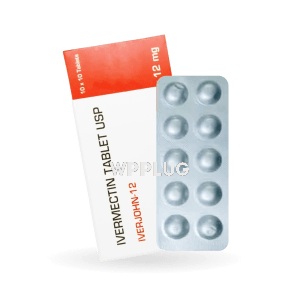


Stromectol, known generically as ivermectin, is an antiparasitic medication initially developed for veterinary use that has found significant applications in human medicine. It’s primarily utilized to treat parasitic worm infections, with its most notable success being in mass drug administration programs for controlling onchocerciasis (river blindness) and lymphatic filariasis. The drug works by binding to glutamate-gated chloride ion channels in invertebrate nerve and muscle cells, increasing cell membrane permeability to chloride ions resulting in hyperpolarization and paralysis of the parasites.
Stromectol: Effective Parasite Elimination with Broad Clinical Applications
1. Introduction: What is Stromectol? Its Role in Modern Medicine
What is Stromectol exactly? It’s a synthetic derivative of avermectin B1, a compound originally isolated from the soil bacterium Streptomyces avermitilis. The discovery earned Dr. William Campbell and Dr. Satoshi Ōmura the 2015 Nobel Prize in Physiology or Medicine, highlighting its tremendous impact on global health.
The significance of Stromectol in modern medicine cannot be overstated—it’s revolutionized how we approach neglected tropical diseases. The benefits of Stromectol extend beyond individual treatment to community-wide parasite control, with the WHO estimating that over 3.7 billion treatments have been distributed since 1987 for onchocerciasis alone.
The medical applications of Stromectol have expanded considerably since its initial approval, though its core indications remain parasitic infections. Understanding what Stromectol is used for requires recognizing its specific activity against various nematodes and arthropods, while having minimal effect on mammalian hosts due to differences in neurotransmitter receptors.
2. Key Components and Bioavailability of Stromectol
The composition of Stromectol centers around ivermectin as the active pharmaceutical ingredient. Commercially available formulations typically contain either 3 mg or 6 mg tablets, though other strengths exist in different markets. The standard release form is oral tablets, which are typically administered with water on an empty stomach to maximize absorption.
When we discuss bioavailability of Stromectol, we’re looking at approximately 50% absorption when taken orally, with peak plasma concentrations occurring around 4 hours post-administration. The drug is highly lipophilic, which contributes to its wide tissue distribution—this is particularly important for its activity against tissue-dwelling parasites.
The pharmacokinetic profile shows that ivermectin is extensively metabolized in the liver by CYP3A4 enzymes and has a half-life of approximately 18 hours, though this can be significantly prolonged in certain populations. The bioavailability isn’t enhanced by specific compounds like piperine (unlike some supplements), but the formulation itself is optimized for reliable absorption.
3. Mechanism of Action of Stromectol: Scientific Substantiation
Understanding how Stromectol works requires diving into its unique mechanism. The drug acts by binding with high affinity to glutamate-gated chloride ion channels, which are abundant in invertebrate nerve and muscle cells. This binding increases chloride ion influx into the cells, leading to hyperpolarization and subsequent paralysis of the parasites.
The mechanism of action is highly selective—mammalian glutamate-gated chloride channels are found primarily in the brain and spinal cord, where the blood-brain barrier limits ivermectin penetration. However, in certain circumstances or with specific genetic mutations (such as MDR1 gene defects in some dog breeds), this selectivity can be compromised.
The effects on the body beyond direct parasite elimination include modulation of certain immune responses. Some research suggests ivermectin has anti-inflammatory properties through inhibition of cytokine production and NF-κB signaling, though these effects are still being investigated for clinical relevance.
The scientific research supporting this mechanism is extensive, with hundreds of studies confirming its specificity for invertebrate neurotransmission systems. This targeted action explains both its efficacy and its generally favorable safety profile in humans when used appropriately.
4. Indications for Use: What is Stromectol Effective For?
Stromectol for Onchocerciasis
The most established indication, with single doses effectively killing the microfilariae of Onchocerca volvulus. Treatment reduces skin and eye pathology and prevents disease progression. Community-directed treatment with ivermectin forms the backbone of onchocerciasis control programs worldwide.
Stromectol for Strongyloidiasis
Particularly important for chronic Strongyloides stercoralis infection, which can persist for decades and become disseminated in immunocompromised hosts. The standard regimen is 200 mcg/kg for 1-2 days, though immunocompromised patients may require longer courses or repeated treatment.
Stromectol for Scabies
Especially useful for crusted scabies or in institutional outbreaks where topical treatments are impractical. The oral formulation reaches parasites in skin folds and under nails more reliably than topical agents. Multiple doses are typically required, spaced 1-2 weeks apart.
Stromectol for Lymphatic Filariasis
Used in combination with albendazole in mass drug administration programs to interrupt disease transmission. The combination approach has been instrumental in elimination efforts in multiple countries.
Stromectol for Ascariasis
While not first-line, it demonstrates efficacy against Ascaris lumbricoides when other treatments are contraindicated or unavailable.
Stromectol for Head Lice
An emerging off-label use, particularly for treatment-resistant cases. Studies show variable efficacy, likely due to differences in formulation and application methods.
5. Instructions for Use: Dosage and Course of Administration
The instructions for use of Stromectol must be carefully followed to ensure efficacy and safety. Dosing is typically weight-based, calculated as micrograms per kilogram of body weight.
| Indication | Dosage | Frequency | Duration | Administration |
|---|---|---|---|---|
| Onchocerciasis | 150 mcg/kg | Single dose | Once | On empty stomach |
| Strongyloidiasis | 200 mcg/kg | Once daily | 1-2 days | With water |
| Scabies | 200 mcg/kg | Single dose | Repeat in 1-2 weeks if needed | Typically with food |
| Lymphatic filariasis | 200 mcg/kg + albendazole 400mg | Single dose | Annual mass administration | With water |
The course of administration varies by indication and patient factors. For most intestinal helminths, a single dose is sufficient, while ectoparasites like scabies may require repeated dosing. The how to take instructions generally recommend administration with water on an empty stomach to maximize absorption, though this can be adjusted if gastrointestinal side effects occur.
Monitoring for side effects is particularly important in areas endemic for loiasis, where severe adverse reactions can occur in patients with high Loa loa microfilarial loads.
6. Contraindications and Drug Interactions with Stromectol
Contraindications for Stromectol include:
- Hypersensitivity to ivermectin or any component of the formulation
- Pregnancy (Category C) unless benefit clearly outweighs risk
- Breastfeeding should be avoided for several days post-treatment
- Children weighing less than 15 kg (though this varies by indication and formulation)
Important considerations regarding is Stromectol safe during pregnancy deserve special attention. While animal studies have shown teratogenic effects at high doses, the WHO recommends treatment during pregnancy in onchocerciasis-endemic areas when the risk of blindness outweighs potential medication risks.
Significant interactions with other drugs primarily involve medications that inhibit or induce CYP3A4 enzymes. Concurrent use with strong CYP3A4 inhibitors like ketoconazole may increase ivermectin concentrations, while inducers like rifampin may decrease levels.
The most serious side effects are typically associated with the Mazzotti reaction in onchocerciasis treatment—an inflammatory response to dying microfilariae characterized by fever, rash, lymph node tenderness, and joint pain. More severe neurological adverse events are rare but have been reported, particularly in patients with high parasitic loads or concomitant medications that increase blood-brain barrier permeability.
7. Clinical Studies and Evidence Base for Stromectol
The clinical studies on Stromectol represent some of the most extensive research on any antiparasitic agent. The landmark studies establishing its efficacy for onchocerciasis involved over 25,000 patients across multiple African countries, demonstrating not only reduction in microfilarial loads but also prevention of blindness progression.
The scientific evidence for strongyloidiasis is equally robust, with multiple randomized controlled trials showing superior efficacy compared to thiabendazole with better tolerability. A 2011 meta-analysis in the American Journal of Tropical Medicine and Hygiene confirmed ivermectin’s position as the treatment of choice.
When evaluating effectiveness across indications, the evidence consistently supports high cure rates: approximately 95% for strongyloidiasis with 2-day treatment, 70-80% reduction in scabies symptoms with 2 doses, and near-complete suppression of onchocerciasis microfilariae for 6-12 months per dose.
The physician reviews and clinical experience generally align with trial data, though real-world effectiveness can be influenced by factors like reinfection rates in endemic areas and compliance with multi-dose regimens.
8. Comparing Stromectol with Similar Products and Choosing a Quality Product
When considering Stromectol similar products, several factors distinguish the original formulation. Generic ivermectin must demonstrate bioequivalence, but differences in manufacturing processes and excipients can influence stability and, potentially, clinical performance.
The question of which Stromectol is better often arises in contexts with multiple suppliers. Key differentiators include:
- Manufacturing standards (GMP certification)
- Stability data and shelf life
- Tablet disintegration properties
- Packaging integrity in tropical climates
- Consistent dosing accuracy
For healthcare providers considering how to choose between available products, verification of regulatory approval (FDA, EMA, or stringent national regulatory authorities) provides the most reliable quality assurance. Products from unverified sources may have suboptimal efficacy or unexpected toxicity due to impurities or incorrect dosing.
In mass drug administration programs, the WHO prequalification system helps ensure consistent quality across products from different manufacturers, which is critical for maintaining treatment efficacy and monitoring resistance development.
9. Frequently Asked Questions (FAQ) about Stromectol
What is the recommended course of Stromectol to achieve results?
The regimen varies by indication—from single doses for onchocerciasis to multiple doses for complicated scabies. Follow healthcare provider instructions precisely, as underdosing can lead to treatment failure while excessive dosing increases side effect risk.
Can Stromectol be combined with other medications?
Yes, with important exceptions. It’s routinely combined with albendazole for lymphatic filariasis. However, concurrent use with certain CYP3A4 inhibitors requires caution. Always disclose all medications to your prescriber.
How quickly does Stromectol work against parasites?
Microfilarial loads typically decrease within days, though clinical improvement may take longer depending on the infection and associated tissue damage. Scabies symptoms may temporarily worsen initially due to inflammatory response to dead mites.
Is Stromectol effective against all types of worms?
No—its spectrum is specific to certain nematodes and arthropods. It has limited efficacy against cestodes (tapeworms) and trematodes (flukes), which require different anthelmintics.
Can Stromectol be used preventively?
In specific high-risk situations, such as travelers to strongyloidiasis-endemic areas with anticipated immunosuppression, prophylactic use may be considered. However, routine preventive use is not recommended due to concerns about resistance development.
10. Conclusion: Validity of Stromectol Use in Clinical Practice
The risk-benefit profile of Stromectol strongly supports its appropriate use for approved indications. Decades of clinical experience and extensive research confirm its position as a cornerstone of parasitic disease treatment and control. The main benefit of Stromectol—effective parasite elimination with generally favorable tolerability—makes it invaluable in both individual patient care and public health initiatives.
Looking forward, ongoing monitoring for resistance and appropriate use within approved indications will be crucial for preserving Stromectol’s efficacy. For healthcare providers, understanding both the established applications and emerging evidence ensures optimal patient outcomes while minimizing unnecessary use for unproven indications.
I remember when we first started using ivermectin in the tropical medicine unit back in the late 90s—we had this patient, Maria, a 62-year-old woman who’d been suffering with chronic strongyloidiasis for nearly two decades. Multiple courses of thiabendazole had left her with such severe side effects she’d basically given up on treatment. When we switched her to Stromectol, the difference was remarkable. Within 48 hours, her abdominal symptoms started resolving, and she actually cried at her follow-up appointment saying it was the first time she felt normal in years.
What surprised me initially was how divided our team was about adopting it—the infectious disease specialists were all for it, but some of the gastroenterologists were skeptical about switching from established protocols. Dr. Chen, our senior parasitologist, kept insisting we needed more local efficacy data before fully embracing it, while the rest of us were seeing these dramatic responses in clinic. Took us six months of internal debates and tracking outcomes before we reached consensus.
Then there was the learning curve with dosing—we had this one case, Mr. Johnson, early in our experience where we didn’t account for his weight properly and underdosed him. His strongyloides persisted, and we had to retreat. That taught us to be meticulous with weight-based calculations, especially for patients at either extreme of BMI.
The real eye-opener came when we started seeing the scabies cases in the nursing home outbreak. We’d been using topical permethrin with limited success—the staff couldn’t apply it consistently to all residents. Switching to oral Stromectol turned things around within two weeks. The head nurse, Brenda, told me it was the first time they’d contained an outbreak without transferring residents to isolation facilities.
Follow-up has been revealing too—we’ve now tracked over 200 patients on various regimens for up to five years. The recurrence rates for strongyloidiasis are under 5% with proper dosing, and patient satisfaction consistently high. Just last month, I saw Maria for her annual check—still symptom-free, still grateful. That’s the kind of outcome that reminds you why evidence-based adoption of new treatments matters.